Unlock Your Brand's Potential with Keynovo Biotech's OEM Services

In today's competitive health supplement market, brand differentiation is essential. At Keynovo Biotech, we specialize in providing high-quality OEM services for health supplement raw materials and finished products, enabling you to create unique offerings under your own brand name. Whether you're an established company or a startup, our comprehensive OEM services are designed to help you bring your product ideas to life with precision and expertise.


What is OEM?

OEM (Original Equipment Manufacturer) services allow you to partner with us to develop and produce custom products that align with your brand’s vision. From concept to creation, we handle everything, including formulation, manufacturing, packaging, and labeling, allowing you to focus on growing your business while we take care of the production.


Why Choose Keynovo Biotech's OEM Service?

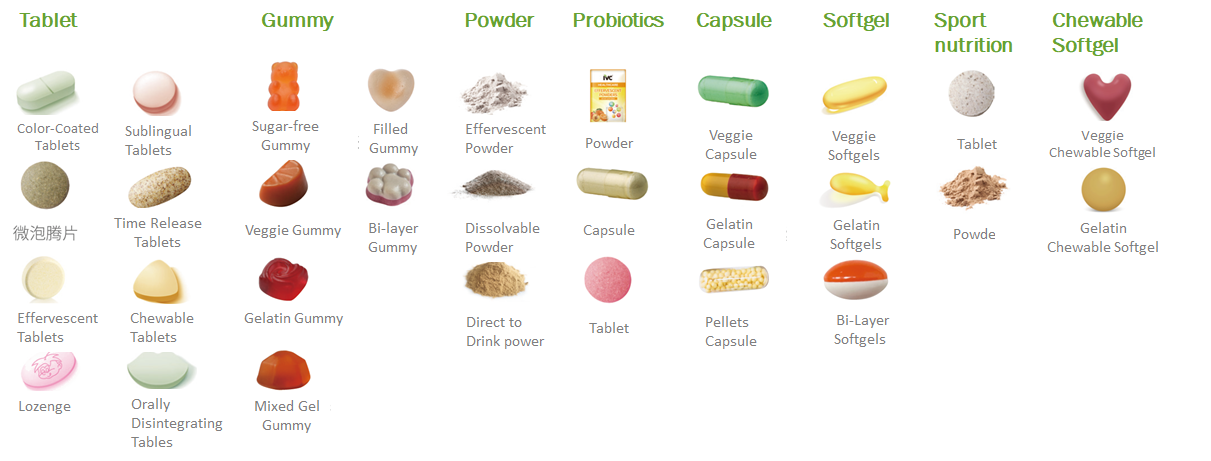
Customization: We offer full flexibility to tailor products to your exact specifications. Whether you need softgel, capsules, tablets, liquid drops, or blister packs, our team ensures your products meet your branding and quality standards. We also provide complete packaging solutions, including bottles, labels, and color boxes, designed to elevate your brand's appeal.


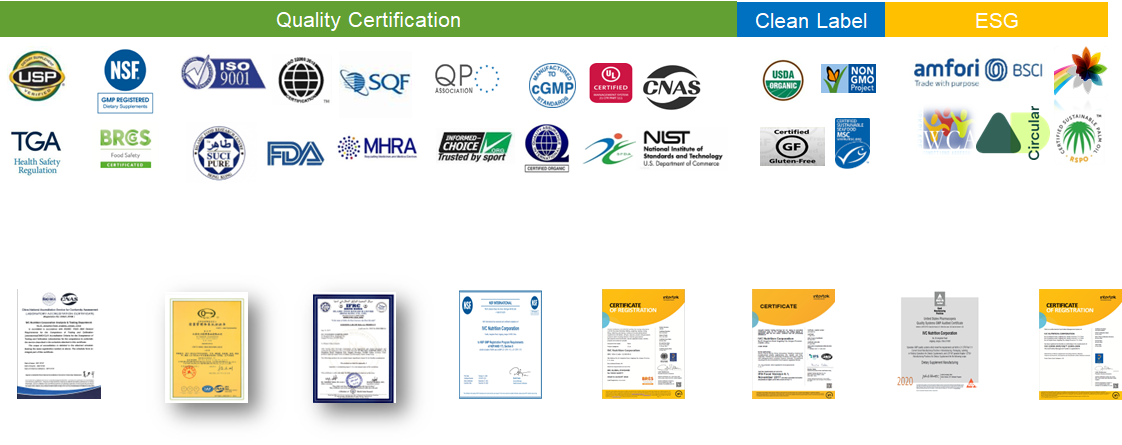
Proven Quality: With over 20 years of industry experience, we pride ourselves on maintaining the highest standards of quality. Our facilities are certified under GMP (Good Manufacturing Practice), cGMP (current Good Manufacturing Practice), ISO 22000, ISO 9001, and BRC (British Retail Consortium), ensuring that every product you receive is produced with the utmost care and adherence to international standards.


Global Reach: With a track record of serving over 2,641 customers in 74 countries, we have the experience and capability to cater to businesses of all sizes, from local startups to global brands. No matter where you're based, we can help you enter new markets with confidence.


Impressive Capacity: Our annual production exceeds 4.2 billion units, ensuring that we can scale production to meet your demands, whether you need small batches or large-scale manufacturing. You can rely on us to deliver high-quality products on time, every time.


End-to-End Service: We support you through every stage of the process—formulation, manufacturing, and packaging. From raw material sourcing to the final product, our dedicated team ensures that each aspect of production aligns with your expectations and regulatory requirements.


Our OEM Capacity Includes: Softgel, Capsules, Tablets, Drops, and Blisters

Comprehensive Packaging Solutions: Bottles, Labels, and Color Boxes

At Keynovo Biotech, we’re committed to providing you with high-quality products, exceptional service, and reliable support throughout the entire process. With our years of expertise and certifications, you can trust us to be your partner in creating outstanding products that reflect your brand’s values.


Ready to create the next big supplement sensation? Let’s work together to turn your vision into reality!


For related products, please visit our website: https://www.reachever.com/


What Are The Common Mushroom Extracts?

Mushroom extracts have gained significant popularity in recent years due to their numerous health benefits and versatility in various applications. From traditional medicine to modern supplements, these extracts are used to enhance wellness and support overall health. In this blog, we will explore some of the most common mushroom extracts and their potential benefits.


1. Reishi Mushroom Extract

Scientific Name: Ganoderma lucidum


Benefits:

Known as the "mushroom of immortality," Reishi is famous for its immune-boosting properties.

It may help reduce stress and improve sleep quality.

Contains antioxidants that can combat oxidative stress.


2. Chaga Mushroom Extract

Scientific Name: Inonotus obliquus


Benefits:

Rich in antioxidants, Chaga is believed to support immune health and reduce inflammation.

It may help lower blood sugar levels and cholesterol.

Often used in teas and supplements for its potential anti-cancer properties.


3. Lion's Mane Mushroom Extract

Scientific Name: Hericium erinaceus


Benefits:

Known for its neuroprotective properties, Lion's Mane may enhance cognitive function and memory.

It promotes nerve growth factor (NGF) production, which is essential for brain health.

Often used to support mental clarity and focus.


4. Cordyceps Mushroom Extract

Scientific Name: Cordyceps sinensis


Benefits:

Traditionally used to enhance athletic performance and energy levels.

May improve oxygen utilization and endurance.

Known for its potential to support heart health and respiratory function.


5. Shiitake Mushroom Extract

Scientific Name: Lentinula edodes


Benefits:

Rich in vitamins and minerals, Shiitake is known for its immune-boosting properties.

Contains compounds that may lower cholesterol and support cardiovascular health.

Often used in culinary dishes, it also has medicinal properties.


6. Maitake Mushroom Extract

Scientific Name: Grifola frondosa


Benefits:

Known for its potential to regulate blood sugar levels and support weight management.

Rich in beta-glucans, which can enhance immune function.

Often used in supplements for its anti-inflammatory properties.


Conclusion

Mushroom extracts offer a wide range of health benefits, making them a valuable addition to a balanced diet and wellness routine. Whether you are looking to boost your immune system, enhance cognitive function, or improve overall health, these extracts can be a powerful ally. As always, it's essential to consult with a healthcare professional before starting any new supplement regimen, especially if you have underlying health conditions. Embrace the power of mushrooms and explore the benefits they can bring to your life!


For related products, please visit our website:https://www.reachever.com/


What Are the Health Benefits of Lion's Mane Mushroom Extract?

Lion’s Mane Mushroom (Hericium erinaceus), named for its distinctive shaggy appearance resembling a lion’s mane, has been used in traditional Asian medicine for centuries. It's Active Compounds are Hericenones and Erinacines

Modern research now validates its remarkable health potential. This blog listed its potential health benefits that have been scientifically proven.


Cognitive Enhancement:

Stimulates the production of nerve growth factor (NGF), thereby supporting neuronal regeneration and synaptic plasticity


Neuroprotective Effects:

Enhances recovery from nerve damage (via myelin sheath regeneration)

May alleviate anxiety/depression by modulating BDNF levels


Dual Action:

I. Enhance gastric mucosal protection (inhibit Helicobacter pylori colonization)

II. Regulate intestinal flora (increase the abundance of probiotics)


Based on the above functions, Lion’s Mane Mushroom Extract is commonly used as dietary supplements and functional foods.


For related products, please visit our websitehttps://www.reachever.com/

What Food is Natamycin In?


Natamycin is a key ingredient in food preservation, especially for preventing spoilage and mold. Let's break down what natamycin is and the types of food it is commonly found in.


What is Natamycin?

Natamycin is a natural antifungal compound made by certain bacteria through fermentation. It's been used for decades to stop mold and yeast growth in foods. Unlike synthetic preservatives, natamycin is natural, making it a preferred choice for clean-label foods. It is safe and approved by food safety authorities worldwide, including the FDA, EFSA, and WHO.


Foods That Commonly Contain Natamycin

Natamycin is used in many foods that are prone to mold. Here are some common examples:


Cheese

Hard and Semi-Hard Cheeses: Natamycin is often applied to the surface of cheeses like Gouda, Cheddar, and Parmesan. It prevents mold during aging and extends shelf life without changing the cheese's flavor, aroma, or texture.

Soft Cheeses: It's also sometimes used in soft cheeses like Brie or Camembert to prevent unwanted mold while still allowing the necessary mold for ripening.

Yogurt and Fermented Dairy Products


In products like yogurt, sour cream, and kefir, natamycin helps prevent mold, extending shelf life and maintaining quality.

Baked Goods


Breads, pastries, and other baked goods can develop mold, especially in humid conditions. Natamycin is used on these products to prevent mold without affecting taste or texture.

Meat Products


Cured and processed meats like sausages and salamis are treated with natamycin to stop mold growth during storage and distribution, ensuring safety and quality.


For related products, please visit our website:https://www.reachever.com/


What is the MCT Oil for?

MCT oil, which stands for medium-chain triglyceride oil, is a dietary fat derived from coconut or palm oil. MCTs are unique in that they are more quickly absorbed and metabolized by the body than other fats.


MCT oil has gained popularity for several potential benefits:


1. Weight management: MCT oil has been suggested to increase feelings of fullness and assist with weight loss and weight management. It can potentially support healthy weight loss when incorporated into a calorie-controlled diet.


2. Energy source: MCTs are readily converted into energy by the body, making MCT oil a quick and efficient source of energy. Athletes and individuals following a ketogenic diet often use MCT oil to boost energy levels and support endurance during physical activity.


3. Brain function: Some studies suggest that MCTs may have cognitive benefits by providing the brain with a readily available source of energy. MCT oil has been investigated for its potential to improve focus, mental clarity, and cognitive function.


4. Ketogenic diet: MCT oil is commonly used in ketogenic diets, which are high in fat, moderate in protein, and low in carbohydrates. MCT oil can help increase the amount of fat and ketones in the body, which are used for fuel in the absence of carbohydrates.


It's important to note that while MCT oil has potential benefits, it should be used in moderation and as part of a balanced diet. As with any dietary supplement, it's recommended to consult with a healthcare professional before adding MCT oil to your routine, especially if you have any underlying health conditions.


For related products, please visit our websitehttps://www.reachever.com/

What You Need to Know About Chlorella

As a trusted name in the chemical and biotechnology industry, Keynovo Biotech is dedicated to offering premium plant extracts and chemicals that support health and wellness. One of our standout products is Chlorellaa powerful superfood gaining popularity for its many health benefits.


What is Chlorella?

Chlorella is a type of single-celled, green freshwater algae that has existed for over 2 billion years. Its packed with proteins, vitamins, minerals, and chlorophyll, which gives it its vibrant green color and detoxifying properties. At Keynovo Biotech, we use advanced technology to extract Chlorella while preserving its rich nutrient profile, ensuring our products meet the highest standards of purity and effectiveness.


Chlorella is a versatile, nutrient-rich superfood offering a wide range of health benefitsfrom detoxification to energy-boosting. At Keynovo Biotech, we take pride in delivering top-quality Chlorella extracts that meet your wellness needs. Discover the potential of Chlorella and experience its benefits firsthand!


For more information or inquiries about our Chlorella products, please visit our website www.reachever.com or contact us directly.

Xanthan Gum Uses and Production


Xanthan gum is a popular ingredient used in food, cosmetics, and industrial products for its thickening, stabilizing, and binding abilities. Produced through natural fermentation, xanthan gum enhances product texture and consistency, making it a sustainable choice.


Primary Uses of Xanthan Gum


Thickener: Adds viscosity to sauces, dressings, and soups, providing a creamy texture, especially useful in low-fat products.

Stabilizer: Prevents ingredient separation in products like salad dressings and dairy alternatives, ensuring a uniform appearance.

Binder and Emulsifier: Essential in gluten-free baking, xanthan gum helps ingredients bind together, imitating gluten’s role.

Suspension Agent: Keeps particles suspended in beverages, important for juices with pulp and smoothies.

Production Process


Fermentation: Carbohydrates, usually from corn or wheat, are fermented with Xanthomonas campestris bacteria, converting sugars into xanthan gum.

Extraction: Alcohol is added to separate the gum from the broth, then it’s washed to remove impurities.

Drying and Milling: The gum is dried and milled to achieve the right particle size for easy blending.

Quality Control: Each batch undergoes testing for purity and consistency before packaging to ensure a long shelf life.


Keynovo’s Xanthan Gum Keynovo offers premium-quality xanthan gum that meets international standards, providing reliable texture and stability for diverse industries. For custom solutions, contact Keynovo’s team.


What is the Difference Between Superior Light and Superior Dark Soy Sauce?

When it comes to Asian cooking, soy sauce is an indispensable ingredient that adds depth, flavor, and complexity to dishes. However, not all soy sauces are created equal. Two of the most commonly used varieties are Superior Light Soy Sauce and Superior Dark Soy Sauce. Understanding the differences between these two can elevate your culinary skills and help you choose the right one for your recipes.


Superior Light Soy Sauce is known for its thin consistency and salty flavor. It is typically used as a seasoning or dipping sauce, adding a savory touch without overpowering the dish. For example, Superior Light Soy Sauce 500ml is a popular choice for stir-fries, marinades, and soups, as it enhances the natural flavors of the ingredients. On the other hand, Superior Dark Soy Sauce is thicker, sweeter, and less salty. It is often used for adding color and richness to dishes like braised meats or stews.


One key difference lies in their production process. Superior Light Soy Sauce is fermented for a shorter period, resulting in a lighter color and saltier taste. In contrast, Superior Dark Soy Sauce undergoes a longer fermentation process and is often mixed with molasses or caramel, giving it a darker hue and a more robust flavor. For those who prefer a balanced yet flavorful option, Premium Light Soy Sauce offers a refined taste that bridges the gap between light and dark varieties.


When choosing between the two, consider the dish you're preparing. If you're making a light, delicate dish, Superior Light Soy Sauce 500ml is your go-to option. For richer, heartier meals, Superior Dark Soy Sauce works best. And if you're looking for a versatile, high-quality option, Premium Light Soy Sauce is an excellent choice, offering a perfect blend of flavor and versatility.


We take pride in providing top-quality soy sauces, including our Premium Light Soy Sauce. Made from the finest ingredients and crafted through traditional methods, our soy sauce delivers an authentic taste that enhances every dish. Whether you're a home cook or a professional chef, our products are designed to meet your culinary needs. Choose Pearl River Bridge for High-quality and a commitment to excellence in every bottle.


How long is the shelf life of dehydrated vegetables

Shelf life of dehydrated vegetables

General Duration

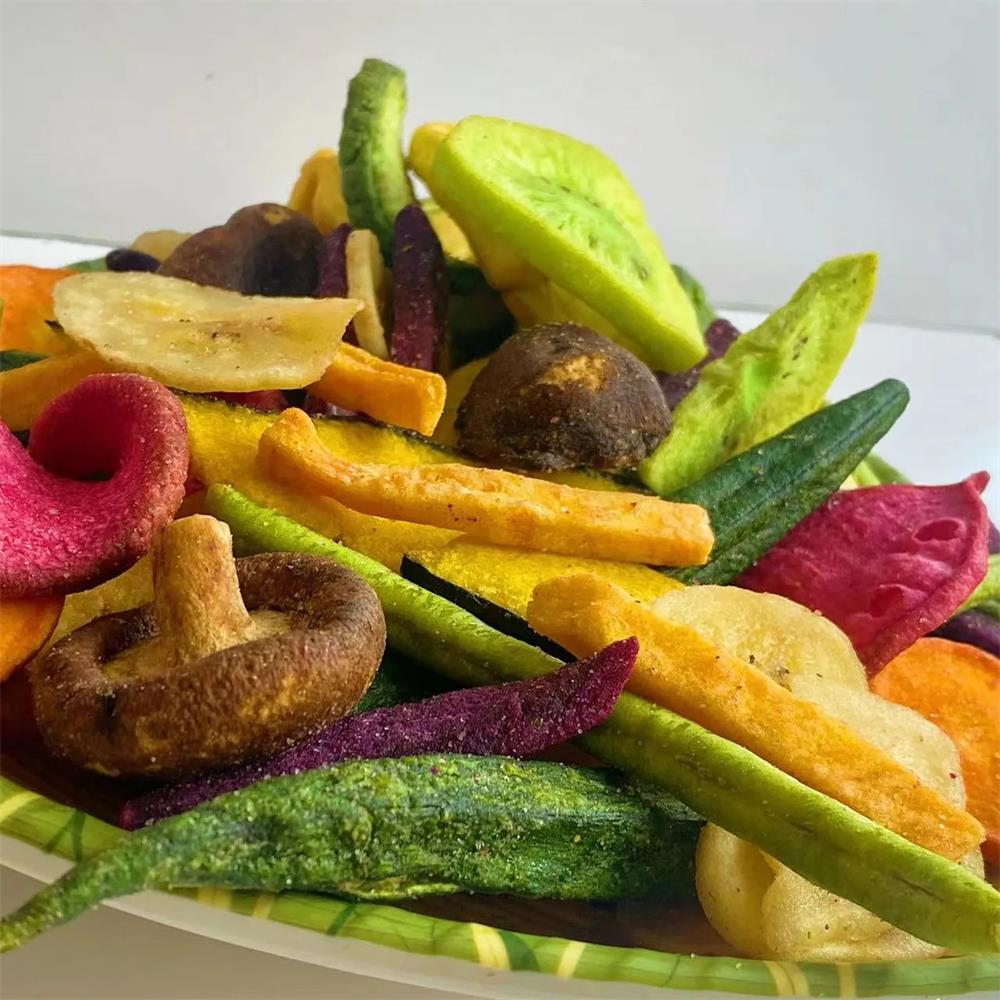
dehydrated vegetables are vegetable products with most of the water removed by high temperature drying or freezing technology to extend their shelf life. They are light and portable, easy to store for long periods of time, and require only simple rehydration to restore flavor when cooking. Generally, high-quality dehydrated veggies can have a shelf life of as much as 12 months to 24 months or even longer. There are also claims that dehydrated veggies usually have a shelf life of between 3 months and 2 years, though generally reliable merchandise can be kept for more than 3 months, and the vast majority of dried dehydrated veggies can be kept for 6 months to a year.

Influencing factors

Vegetable type: some dehydrated vegetables such as carrots, onions, tomatoes, etc. have a long shelf life, while some tender leafy vegetables such as spinach, lettuce, etc. have a relatively short shelf life.

Processing techniques: Different processing techniques will affect the shelf-life of dehydrated vegetables, e.g. vegetables that are dehydrated using more advanced high-temperature drying or freezing techniques may have a longer shelf-life.

Storage conditions

Packaging integrity: Good sealed packaging is essential to protect against moisture and oxidation, which effectively prevents air entry, slows down bacterial reproduction and maintains the flavor and nutrition of the vegetables. If the package is broken, it may cause the dehydrated vegetables to deteriorate prematurely.

Storage environment: It should be stored in a cool, dry and light-proof place, avoiding direct sunlight and high-temperature environment. Storing dehydrated vegetables in dry, airtight containers, such as vacuum bags or airtight jars, prevents air and moisture from entering and extends the shelf life.

Product quality: High quality raw materials and production process determine the shelf life of dehydrated vegetables. Products with high freshness and no pollution during processing naturally have a longer shelf life. Dehydrated vegetables are easy to absorb moisture and sensitive to high temperature, should try to avoid exposure to the air when in use, each time after taking, to timely seal the container, but also to avoid storing in direct sunlight or near the location of the heat source. In addition, the nutrients in dehydrated vegetables are easy to attract pests, you can put some insect repellent in the container when storing, such as desiccant or food-grade silica gel.

Several sweeteners that can replace sucrose and their characteristics

Sucralose

Produced from sucrose as a raw material, it is closest in taste to sucrose, mimics the taste of sucrose better, and provides a similar sweetness experience when replacing sucrose. It is heat-resistant and stable in acidic to neutral environments. It is suitable for use in a wide range of food and beverage processes, and does not lose its sweetness due to processing conditions (e.g., heating, acidic and alkaline environments, etc.).

Stevia

It is resistant to high temperature, does not ferment, and does not caramelize when heated. Although it has a slight bitter taste similar to that of menthol when the concentration is high, it can be reduced or disappeared when used in combination with sucrose (7:3), and it can improve the taste when used in conjunction with sodium citrate, thus being able to replace the sweetening function of sucrose to a certain extent, while still having its own unique flavor characteristics.

Glucose

It is an important source of energy for the body, and its caloric content is similar to that of sucrose. It can be used in conjunction with sucrose in low-sweetness foods, where it can provide a certain level of sweetness while meeting energy requirements, and can be used as an alternative to sucrose in suitable food systems.

fructose

Pure sweetness, the colder it is, the sweeter it is, used in beverages to provide a cooling sensation without masking the original color and aroma of the juice; used in the production of preserved fruit jams, it is conducive to bacterial inhibition. In these specific food and beverage application scenarios, it can be a good substitute for sucrose to bring sweetness, and also has some characteristics superior to sucrose.

It should be noted that although these sweeteners can replace sucrose in some aspects, different sweeteners have different properties, such as sweetness, stability, flavor, etc., and it is necessary to select suitable sucrose substitutes according to specific product needs (e.g., type of food, processing technology, taste requirements, etc.) in practical applications. In addition, some artificial sweeteners have some controversy, for example, the World Health Organization recommends against the use of artificial sweeteners, because the use of sweeteners does not have any long-term help to reduce body fat in adults or children, and long-term use may bring potential adverse effects, including increased risk of type 2 diabetes mellitus, cardiovascular disease, and even increase the risk of death, etc. also need to be taken into account.