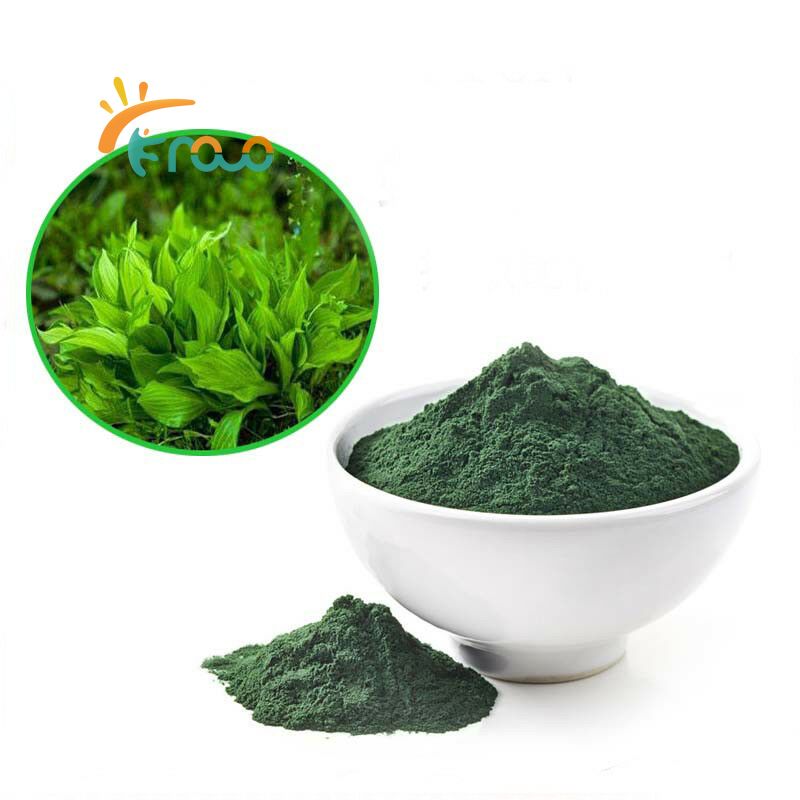
Chitosan is a natural polysaccharide derived from chitin, a substance found in the exoskeletons of crustaceans like shrimp, crabs, and other shellfish. When chitin is deacetylated, it is converted into chitosan. Food-grade chitosan powder is a widely used natural additive in various industries, including food, pharmaceuticals, cosmetics, and more. Here’s how this natural additive can improve your products:
1. Preservative Properties: Chitosan has antimicrobial properties, especially against certain bacteria and fungi. In food products, it can help extend shelf life by inhibiting the growth of microorganisms that cause spoilage. It’s particularly effective in preventing the growth of fungi on fruits and vegetables.
2. Film-Forming Abilities: Chitosan can form a thin film when applied to the surface of food products. This film can act as a barrier against moisture loss, oxygen, and other contaminants, helping to preserve the freshness of products and extend their shelf life.
3. Biodegradable Packaging: Chitosan-based films are biodegradable and environmentally friendly. They can be used in packaging materials as an alternative to traditional plastics, reducing the environmental impact of packaging waste.
4. Textural Improvement: In certain food products like sauces, dressings, and dairy products, chitosan can improve texture and stability. It can be used as a thickening agent or to enhance the mouthfeel of products.
5. Clarity Enhancement: Chitosan can clarify fruit juices and wines by binding to suspended particles and helping to remove them through filtration. This can result in clearer and more visually appealing products.
6. Health Benefits: Chitosan is believed to have various health benefits, such as cholesterol-lowering properties and potential weight management effects. When used in food products, it can add a health-promoting aspect to them, appealing to health-conscious consumers.
7. Functional Properties: Chitosan has been studied for its antioxidant properties and its ability to bind to heavy metals, which can be useful in certain food processing applications.
8. Allergen-Free: Chitosan is not known to cause allergic reactions in the same way that some other additives might. This makes it a suitable option for products targeted at consumers with food allergies or sensitivities.
When using food-grade chitosan powder in your products, it’s important to consider factors such as dosage, processing conditions, interactions with other ingredients, and regulatory requirements to ensure its effective and safe use.
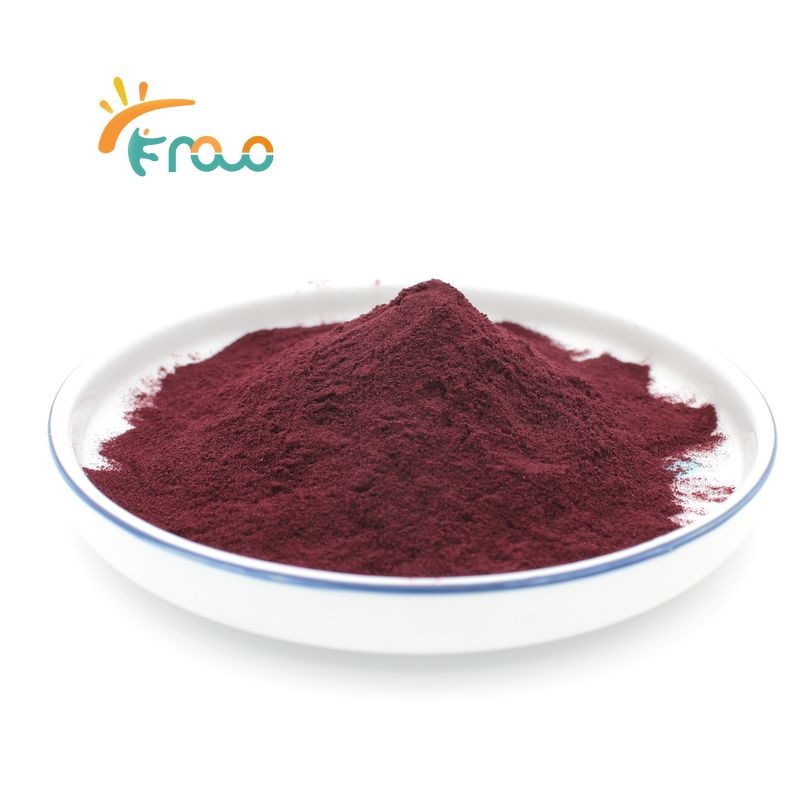
Is capsanthin good for dry eyes?
Dry eyes—a common condition characterized by itching, burning, blurred vision, or a gritty feeling—affects millions worldwide, often triggered by screen time, environmental factors (like dry air), or aging. As research into natural eye health solutions grows, one compound gaining attention is capsanthin. But is this vibrant red pigment from chili peppers truly beneficial for dry eyes? As Anhui Keynovo Biotech CO., LTD., a leader in high-quality biotech ingredients, we’re here to unpack the science and facts.
First: What is Capsanthin?
Capsanthin is a carotenoid—a group of natural pigments responsible for the bright red, orange, and yellow hues in fruits and vegetables. It’s the primary carotenoid in red chili peppers, giving them their signature color. Beyond its role as a food coloring, capsanthin is celebrated for its antioxidant properties, which help neutralize harmful free radicals in the body. Unlike some other carotenoids (e.g., beta-carotene), capsanthin is not converted into vitamin A; instead, it acts directly as a protective agent in tissues where it accumulates—including the eyes.
The Link Between Capsanthin and Dry Eye Relief
Dry eyes occur when the eye’s tear film (a thin layer that lubricates and protects the cornea) is unstable or insufficient. This instability can stem from reduced tear production, poor tear quality, or increased tear evaporation. Research suggests capsanthin may address dry eye symptoms through two key mechanisms:
1. Antioxidant Protection for Eye TissuesThe eyes are exposed to constant oxidative stress—from UV radiation, blue light (from screens), and environmental pollutants. This stress damages the meibomian glands (glands along the eyelid edges that secrete oils to prevent tear evaporation) and the corneal surface, worsening dry eye symptoms. Capsanthin’s strong antioxidant activity helps shield these delicate tissues from free radical damage, preserving the health of the meibomian glands and maintaining the integrity of the tear film.
A 2021 study published in the Journal of Ocular Pharmacology and Therapeutics found that participants with mild-to-moderate dry eyes who took a capsanthin supplement daily for 8 weeks experienced a significant reduction in dryness, burning, and foreign body sensation. The researchers attributed this improvement to capsanthin’s ability to reduce oxidative stress in the ocular surface.
2. Supporting Tear Film Stability
Healthy tears require a balanced mix of water, oil, and mucus. When the oil layer (produced by meibomian glands) is compromised, tears evaporate too quickly, leading to dryness. Capsanthin has been shown to support meibomian gland function by reducing inflammation in the glands and promoting the secretion of high-quality oils. This, in turn, slows tear evaporation and keeps the eyes lubricated for longer.
Additionally, capsanthin may enhance the moisture-retention capacity of the corneal surface, further alleviating dryness and discomfort.
Important Considerations for Using Capsanthin for Dry Eyes
While the research is promising, there are key points to keep in mind:
Dosage Matters: Most studies on capsanthin and dry eyes use doses ranging from 2–4 mg per day. Exceeding recommended doses may cause mild digestive discomfort (e.g., heartburn) in some individuals, especially those sensitive to spicy compounds.Not a Quick Fix: Capsanthin works gradually to support eye health. Relief from dry eye symptoms typically takes 4–8 weeks of consistent supplementation, not immediate effect.
Complementary to Other Dry Eye Care: Capsanthin should not replace foundational dry eye treatments, such as artificial tears, warm compresses for meibomian gland dysfunction, or reducing screen time. It works best as part of a holistic eye care routine.
Consult a Professional: If you have severe dry eyes, underlying eye conditions (e.g., glaucoma, macular degeneration), or are taking medications, consult an ophthalmologist before using capsanthin supplements. This ensures it’s safe for your specific situation.
High-Quality Capsanthin from Anhui Keynovo Biotech
At Anhui Keynovo Biotech CO., LTD., we specialize in producing pure, standardized capsanthin extracts that meet global quality standards (including ISO and GMP certifications). Our capsanthin is derived from premium red chili peppers using advanced extraction techniques, ensuring high bioavailability and consistency—so you can trust its efficacy for eye health formulations.
Whether you’re developing a dietary supplement for eye health or a functional food product, our capsanthin can be tailored to your needs. We prioritize transparency in our manufacturing process, providing full traceability from raw material to finished product.
Conclusion
Capsanthin shows promising potential for supporting dry eye relief, thanks to its antioxidant properties and ability to protect ocular tissues and stabilize the tear film. While it’s not a cure-all, it can be a valuable addition to a holistic dry eye care routine—especially for those seeking natural solutions.If you’re interested in incorporating high-quality capsanthin into your products, or want to learn more about its applications, contact Anhui Keynovo Biotech CO., LTD. today. Our team of experts is ready to help you create effective, safe solutions for eye health.
Is It Okay to Drink Matcha Every Day?
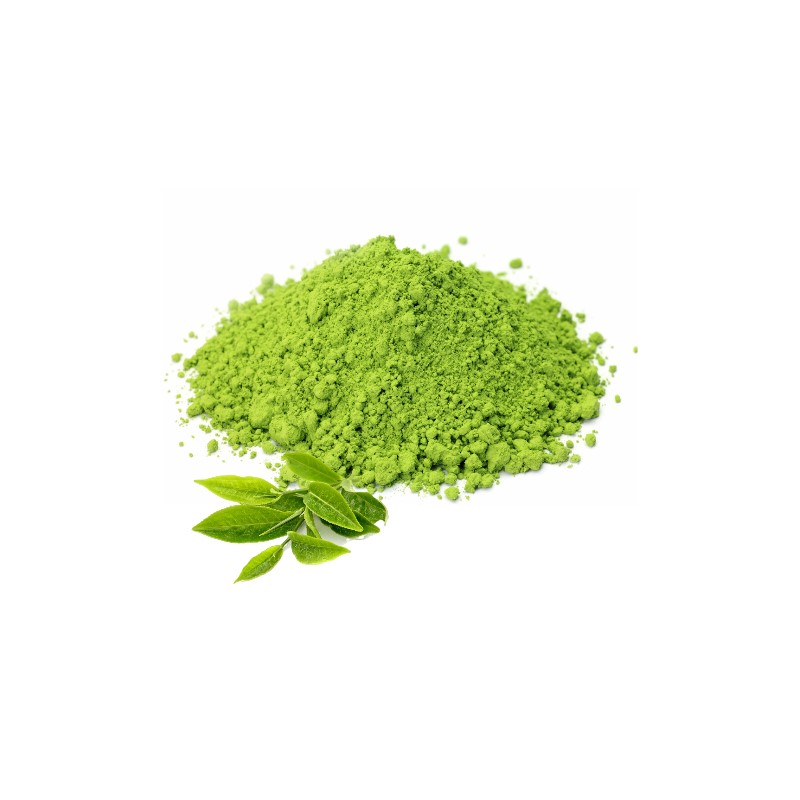
Matcha powder, a finely ground powder made from specially grown green tea leaves, has become increasingly popular around the world. From lattes to smoothies and even desserts, matcha is praised for its vibrant color, unique flavor, and health benefits. But many people wonder: is it safe and beneficial to drink matcha every day? The answer is generally yes, as long as it is consumed in moderation.
One of the main reasons people choose to drink matcha daily is its rich nutritional profile. Matcha is high in antioxidants, particularly catechins such as EGCG (epigallocatechin gallate), which help protect the body from oxidative stress and support overall health. Antioxidants can reduce inflammation, boost immunity, and may even lower the risk of chronic diseases. Regular consumption of matcha ensures that the body receives a steady supply of these powerful compounds.
Matcha is also well-known for its ability to provide calm, focused energy. Unlike coffee, which can cause sudden spikes and crashes in alertness, matcha contains both caffeine and L-theanine. This combination delivers a smooth and sustained energy boost while promoting relaxation and mental clarity. For individuals who drink matcha daily, this balance can improve productivity, focus, and mood.
Daily matcha consumption may also support heart health and weight management. Studies suggest that the catechins in green tea can help regulate cholesterol levels, support healthy blood pressure, and promote fat oxidation. For those looking to maintain a healthy lifestyle, incorporating matcha into a daily routine can be a natural and enjoyable choice.
However, as with most things, moderation is key. Matcha does contain caffeine, and while its levels are generally lower than coffee, drinking excessive amounts may lead to side effects such as insomnia, anxiety, or an upset stomach. For most adults, one to two cups of matcha per day is considered safe and beneficial. People who are sensitive to caffeine, pregnant, or dealing with certain medical conditions should consult a healthcare professional before making matcha a daily habit.
It is also important to consider quality. Not all matcha is created equal, and lower-grade products may contain contaminants such as heavy metals or pesticides. For daily consumption, it is best to choose high-quality, ceremonial-grade matcha from trusted sources. This ensures not only better flavor but also maximum health benefits without unnecessary risks.
In conclusion, drinking matcha every day is generally safe and can provide a range of health benefits, from improved energy and focus to better heart health and antioxidant protection. As long as it is consumed in moderation and sourced from reputable matcha suppliers, matcha can be an excellent addition to a balanced lifestyle. For most people, enjoying a daily cup of matcha is not only okay but highly rewarding.
Is krill oil better than fish oil?
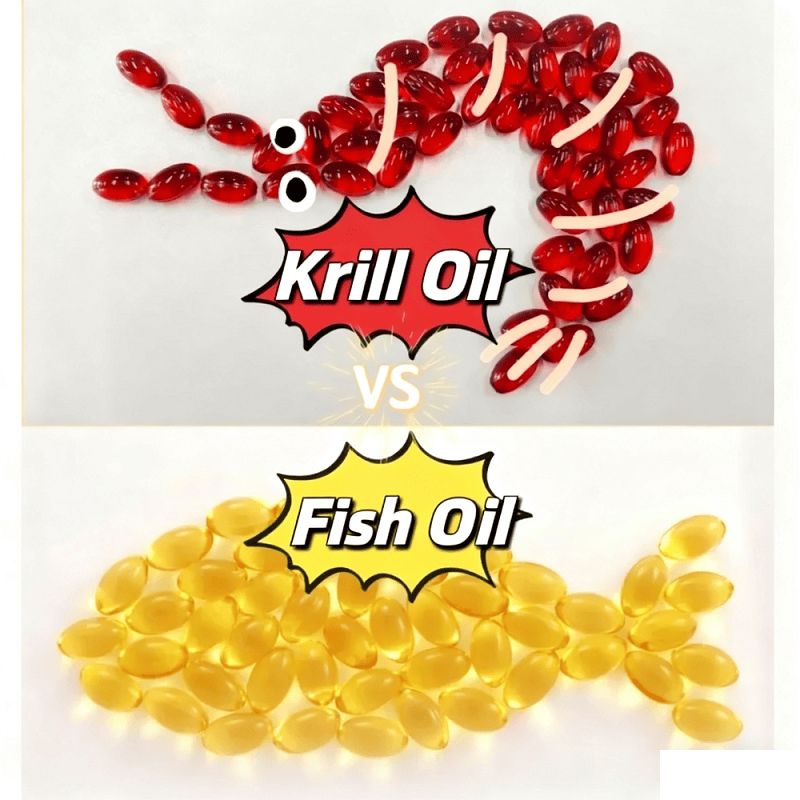
Both krill oil and fish oil are sources of omega-3 fatty acids, specifically EPA (eicosapentaenoic acid) and DHA (docosahexaenoic acid), which are essential for various aspects of health. Here are some key points to consider when comparing krill oil to fish oil:
1. Omega-3 content: Both krill oil and fish oil contain EPA and DHA, but the amounts can vary. Krill oil may have a higher concentration of EPA and DHA than fish oil, but the difference is not usually significant.
2. Bioavailability: Some studies suggest that the omega-3s in krill oil are more easily absorbed by the body compared to those in fish oil due to the presence of phospholipids. However, the actual impact of this increased bioavailability on health outcomes is still a matter of debate.
3. Sustainability: Krill is a small, shrimp-like crustacean, and concerns have been raised about the sustainability of krill harvesting due to its importance in the marine food chain. Fish oil can also come from unsustainable fisheries, so it's essential to choose products that are sustainably sourced.
4. Potential benefits: Some studies suggest that krill oil may have additional health benefits beyond those of fish oil, including potential antioxidant effects due to the presence of astaxanthin, a powerful antioxidant found in krill.
5. Cost: Krill oil is typically more expensive than fish oil, so cost may be a consideration for some individuals.
Ultimately, whether krill oil is "better" than fish oil can depend on individual preferences and health goals. Both krill oil and fish oil can be good sources of omega-3 fatty acids, and the choice between the two may come down to factors like personal tolerance, sustainability concerns, cost, and any specific health benefits one is seeking. It's always a good idea to consult with a healthcare provider or a nutritionist to determine which option may be best for you based on your individual needs.
For more product details, please click to visit our website: https://www.reachever.com/
Is Rhodiola Rosea the Same as Ashwagandha?
When exploring natural supplements for stress relief and energy, two names often come up: Rhodiola rosea extract and Ashwagandha extract. While both are adaptogens—plants that help the body adapt to stress—they are not the same.
Rhodiola rosea
Native to cold regions of Europe and Asia, Rhodiola is traditionally used to fight fatigue, boost stamina, and support mental performance. People often turn to it for improved focus and resilience during demanding tasks.
Ashwagandha
Originating from India and used in Ayurvedic medicine for centuries, Ashwagandha is best known for its calming effects. It may help reduce anxiety, support better sleep, and promote overall balance in the body.
Key Difference
The main difference lies in their effects: Rhodiola is more stimulating and energizing, while Ashwagandha is more calming and restorative. Depending on your goals—whether you need sharper focus or deeper relaxation—one may suit you better than the other.
Conclusion
Although Rhodiola rosea and Ashwagandha are both adaptogens, they are distinct herbs with different origins, traditional uses, and effects. They are not interchangeable, but many people find value in one or the other, or sometimes even in using them together under professional guidance.
For more product details, please visit our website: https://www.reachever.com/
The Survival Journey of Probiotics Through Freeze-Drying
Introduction
Probiotics, known for their beneficial role in gut health, are live microorganisms that offer a myriad of health benefits when consumed. One common method used to preserve probiotics for extended periods is freeze-drying. The question arises: Can probiotics survive the freeze-drying process while maintaining their efficacy? Let's delve into the science behind the survival journey of probiotics through freeze-drying.
Understanding Freeze-Drying
Freeze-drying, also called lyophilization, is a process that involves freezing a substance and then reducing the surrounding pressure to allow the frozen water in the material to sublimate directly from solid to gas. This method is widely used in preserving various biological materials, including probiotics, as it helps extend their shelf life while maintaining their potency.
Survivability of Probiotics During Freeze-Drying
The freeze-drying process poses significant challenges to the survival of probiotics. The sudden drop in temperature during freezing can induce stress on the microbial cells, potentially damaging their cell structure. Additionally, the process of removing water through sublimation can further strain the probiotics.
However, certain probiotic strains have shown resilience to freeze-drying. Lactic acid bacteria, such as Lactobacillus and Bifidobacterium species, are among the most commonly studied probiotics for their ability to withstand the freeze-drying process. These bacteria can enter a dormant state when exposed to harsh conditions, allowing them to survive freeze-drying and reactivate upon rehydration.
Factors Influencing Probiotic Survival
Several factors influence the survivability of probiotics during freeze-drying:
1. Strain Selection: Not all probiotic strains exhibit the same level of resistance to freeze-drying. Strain-specific characteristics play a crucial role in determining survivability.
2. Protectants: The addition of protectants, such as prebiotics or sugars, during the freeze-drying process can help shield probiotics from damage and improve their survival rates.
3. Freeze-Drying Conditions: Factors like freezing rate, drying temperature, and storage conditions post-freeze-drying impact the viability of probiotics.
Benefits of Freeze-Dried Probiotics
Despite the challenges, freeze-dried probiotics offer several advantages:
1. Extended Shelf Life: Freeze-drying helps increase the stability and shelf life of probiotics, allowing for easy storage and transportation.
2. Convenience: Freeze-dried probiotics can be formulated into various products like capsules, powders, and foods, making them convenient for consumers.
3. Efficacy: When properly preserved, freeze-dried probiotics can maintain their viability and potency until consumption, ensuring maximum health benefits.
Conclusion
In conclusion, the survivability of probiotics through freeze-drying is influenced by various factors, including the strain of bacteria, processing conditions, and protective measures employed. While freeze-drying can pose challenges to probiotic viability, with careful selection of strains and optimized processing techniques, it is possible to preserve probiotics effectively. Freeze-dried probiotics continue to be a valuable approach for delivering beneficial bacteria to consumers in a convenient and efficacious manner.
For more details, please visit our website: https://www.reachever.com/
The Sweet Secret Trehalose in Skin Care
In the world of skincare, a myriad of ingredients promise to deliver youthful, radiant skin. Among these, trehalose stands out as a unique and effective component that has sparked interest and garnered attention for its remarkable benefits. Derived from natural sources such as plants and certain types of fungi, trehalose is a sugar molecule that has gained popularity for its potent hydrating and protective properties.
Trehalose is a disaccharide composed of two glucose molecules linked together. Known for its ability to retain moisture, trehalose helps to create a protective barrier on the skin, locking in hydration and preventing moisture loss. This feature makes it a valuable ingredient in skincare products, particularly for individuals with dry or dehydrated skin. By enhancing the skin's ability to retain water, trehalose helps to promote a supple, plump complexion and combat the signs of dryness and dullness.
One of the key advantages of trehalose in skincare is its ability to protect the skin against environmental stressors. Factors such as pollution, UV radiation, and harsh weather conditions can damage the skin and accelerate the aging process. Trehalose acts as a shield, shielding the skin from these external aggressors and helping to maintain its resilience and vitality. By fortifying the skin's natural barrier function, trehalose aids in preserving the skin's health and reducing the risk of irritation and sensitivity.
Furthermore, trehalose exhibits exceptional antioxidant properties, which can help to combat oxidative stress and free radical damage. These harmful molecules contribute to premature aging, leading to wrinkles, fine lines, and uneven skin tone. By neutralizing free radicals and supporting the skin's defense mechanisms, trehalose assists in maintaining a youthful and radiant complexion. Its anti-aging benefits make it a valuable addition to skincare formulations geared towards promoting skin rejuvenation and longevity.
In addition to its hydrating, protective, and antioxidant properties, trehalose is also lauded for its soothing and calming effects on the skin. It can help to alleviate redness, irritation, and inflammation, making it suitable for sensitive skin types. By reducing discomfort and promoting skin comfort, trehalose contributes to an overall healthier and more balanced complexion.
When incorporating trehalose into your skincare routine, look for products such as moisturizers, serums, and masks that feature this beneficial ingredient. Whether you are aiming to boost hydration, protect against environmental damage, or address signs of aging, trehalose offers a versatile solution that caters to a range of skin concerns. Embrace the sweet secret of trehalose and unlock a revitalized, luminous complexion that radiates health and beauty.
For more product details, please visit our website: https://www.reachever.com/
The Versatile Applications of Monascus Extract Powder
Monascus extract powder, derived from the fermentation of rice with the yeast Monascus purpureus, has been a staple in traditional Chinese medicine and cuisine for centuries. Today, it is gaining global recognition for its diverse applications, which span from food production to health supplementation.
Primarily, it is renowned as a natural food coloring agent. The powder produces vibrant red and purple pigments, making it a popular, natural alternative to synthetic dyes like Red No. 40. It is extensively used in Asia to color a wide array of food products, including red yeast rice, tofu, pickled vegetables, fish, and even certain alcoholic beverages like rice wine. This natural coloring provides an appealing visual without relying on artificial chemicals.
Beyond its culinary role, Monascus extract powder is most famous for its potential health benefits, particularly in supporting cardiovascular health. This is due to the presence of naturally occurring compounds known as monacolins, most notably monacolin K. Monacolin K is chemically identical to the active ingredient in the cholesterol-lowering prescription drug lovastatin. It works by inhibiting an enzyme in the liver responsible for producing cholesterol. Consequently, the powder is widely used as a dietary supplement to help maintain healthy cholesterol levels already within the normal range.
Furthermore, the fermentation process yields other beneficial compounds, including antioxidants, isoflavones, and unsaturated fatty acids. These contribute to its use in promoting overall wellness, aiding digestion, and supporting healthy blood circulation.
In summary, Monascus extract powder serves a dual purpose. It is a valuable natural colorant in the food industry, adding aesthetic appeal to various products. More significantly, it is a potent dietary supplement lauded for its role in cholesterol management and cardiovascular support. As consumers increasingly seek natural and functional ingredients, the demand for this traditional extract continues to grow worldwide.
For more product details, please visit our website: https://www.reachever.com/
Understanding Nisin A Natural Antibacterial Agent
Nisin, a remarkable antimicrobial peptide, is produced by certain strains of the bacterium Lactococcus lactis. This peptide has garnered significant attention due to its potent antibacterial properties and its wide range of applications in the food industry as a natural preservative. One of the remarkable features of nisin is its ability to target specific bacteria while being safe for human consumption. In this article, we will delve into the fascinating world of nisin and explore the bacteria it targets.
Nisin primarily targets Gram-positive bacteria, which are characterized by their thick cell wall structure. Some of the notable bacteria that nisin is effective against include Staphylococcus aureus, Listeria monocytogenes, Bacillus cereus, Clostridium botulinum, and certain strains of Streptococcus. These bacteria are widely known for their pathogenic potential and the food safety challenges they pose.
The mode of action of nisin is distinct from that of traditional antibiotics. Once nisin comes into contact with the target bacteria, it disrupts the cell membrane by forming pores, ultimately leading to cell death. This mechanism makes it difficult for bacteria to develop resistance against nisin, making it an attractive alternative to conventional antimicrobial agents.
Due to its broad spectrum of activity against pathogenic bacteria, nisin has been widely used in the food industry as a natural preservative. Its effectiveness in inhibiting the growth of harmful bacteria has been instrumental in extending the shelf life of various food products. From dairy products to meat, nisin has played a crucial role in ensuring food safety and quality.
Furthermore, the safety profile of nisin has been extensively studied, and it has been approved for use as a food additive by regulatory authorities in many countries. Its natural origin and the fact that it is produced by a food-grade bacterium further enhance its appeal as a preservative for various food products.
In conclusion, nisin represents a fascinating example of a natural antibacterial agent with immense potential in the fight against harmful bacteria. Its selective activity against Gram-positive bacteria, coupled with its safety and efficacy, makes it a valuable tool in various applications, particularly in the food industry. As research into antimicrobial peptides continues to advance, nisin stands out as a promising candidate for addressing the challenges posed by pathogenic bacteria.
Incorporating nisin into our arsenal of antimicrobial agents not only enhances food safety but also opens up new possibilities for the development of novel antimicrobial strategies. With its proven track record and exceptional properties, nisin continues to be a beacon of hope in our quest for safer, healthier, and more sustainable food production practices.
For more product details, please visit our official website: https://www.reachever.com/
What Are the Benefits of Chlorella Powder?
Chlorella powder is made from a type of freshwater green algae that has gained popularity as a nutrient-dense superfood. Packed with vitamins, minerals, and antioxidants, it offers a wide range of potential health benefits.
1. Rich in Nutrients
Chlorella is an excellent source of protein, vitamin B12, iron, vitamin C, and omega-3 fatty acids, making it a well-rounded supplement for overall wellness.
2. Supports Detoxification
Research suggests that chlorella may help the body bind and eliminate heavy metals and other harmful substances, supporting natural detox processes.
3. Boosts Immune Function
Its high concentration of antioxidants and bioactive compounds may strengthen immune defenses and reduce oxidative stress.
4. Promotes Digestive Health
The natural fiber in chlorella can support gut health, improve digestion, and help maintain regularity.
5. Enhances Energy and Recovery
With its unique combination of nutrients, chlorella powder is often used to support energy levels and recovery after physical activity.
Conclusion
Chlorella powder is more than just a superfood trend—it’s a nutrient powerhouse that may support detoxification, immunity, digestion, and energy. Adding it to smoothies or shakes is a simple way to boost your daily nutrition.