Our soy lecithin is a natural phospholipid mixture extracted from high-quality soybeans through pressing, extraction and degumming processes. As a professional manufacturer and exporter, we provide food-grade, pharmaceutical-grade and cosmetic-grade soy lecithin, available in liquid, powder and granular forms to meet diverse application needs of global customers. With strict quality control and complete certification system, our products are exported to more than 50 countries and regions, including Europe, North America, Southeast Asia and the Middle East.
Product Specifications
We offer customized specifications to match your specific requirements, with core standard parameters as follows:
CAS No.: 8002-43-5
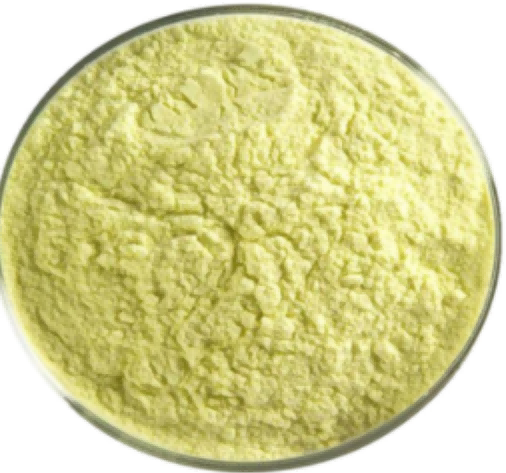
Appearance: Light yellow powder, amber/dark brown viscous liquid or light yellow wax
Main Components: Phosphatidylcholine (PC), Phosphatidylethanolamine (PE), Phosphotidylinositol (PI)
Key Indicators: Acetone Insoluble ≥ 60%, Moisture ≤ 1%, Acid Value ≤ 30 mg KOH/g, Peroxide Value ≤ 5 mmol/kg
Source: Non-GMO soybeans (optional GMO available)
Shelf Life: 24 months unopened in original sealed packaging
Product Applications
Our soy lecithin is widely used in multiple industries, serving as a natural emulsifier, stabilizer, wetting agent and nutrient supplement:
Cosmetics: Skin care products, hair care products, acting as a natural moisturizer and emulsifier.
Other Industries: Animal feed, aqua feed, paint, ink, leather fat liquor, etc.
Quality & Certifications
We adhere to strict quality management standards, from raw material selection to production, testing and packaging, to ensure product safety and stability. Our products have passed multiple international certifications:
Food Safety: FDA, FSSC, GMP, ISO 9001, ISO 22000, HACCP
Religious Compliance: Kosher, Halal
Third-Party Testing: SGS, Eurofins, Pony Testing, providing professional test reports on request
Export Services
MOQ: 1kg (sample available), bulk order acceptable
Packaging: 20kg/carton, 25kg/paper drum, 200kg/metal drum, 1000kg/plastic tote, neutral or custom packaging available
Payment Terms: L/C, T/T, D/P, PayPal, Western Union
Lead Time: 3-7 days for samples, 15-20 days for bulk orders
Contact Us
If you are interested in our soy lecithin products or have any customization needs, please feel free to contact us GNF. We will provide you with professional consultation and high-quality service.
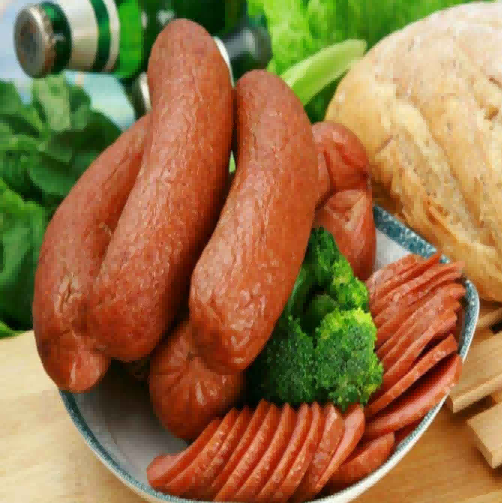
Carrageenan can be used as an emulsifier, stabilizer and thickener. Its core role in meat products is to enhance water retention, stabilize structure, optimize texture and increase yield. It is suitable for various products such as meat paste, ham and restructured meat.
I. Core Functions
Water Retention and Weight Gain: It binds with myosin to lock in moisture, increase the yield of cooked products, and reduce water loss.
Stabilizing Texture: It improves the elasticity, toughness, and sliceability of meat products, preventing the structure from becoming loose and dry.
Optimizing Emulsification: It stabilizes fat globules, making it suitable for low-fat meat pastes and simulating a juicy texture.
II. Selection and Dosage (Percentage of Finished Product)
Western Ham (Injection Type): κ type, 0.2% - 0.5%, high water retention, no water loss.
Sausages / Meatballs (Chopping Type): κ type (crispness) / ι type (elasticity), 0.1% - 0.6%, emulsion stability, tender and elastic texture.
Reconstituted Steak: κ + locust bean gum / konjac gum, 0.2% - 0.4%, remains firm after freezing and thawing.
III. Key Practical Points
Dissolution: Dissolve in hot water above 70°C; it is difficult to dissolve in cold water. Pre-mix dry powder to prevent clumping.
Process: Maintain low temperature throughout the injection / chopping process (raw materials ≤ 4°C, chopping ≤ 10°C), and avoid acidic environments with pH < 4.0.
Blending: κ + konjac gum (3:7) is suitable for high-temperature sterilization; κ + xanthan gum + guar gum to prevent needle clogging.
IV. Precautions
Excessive use may lead to water loss and a coarse texture. Adjust according to the process.
Strictly follow the regulations of GB 2760-2024 for compliance and keep records of raw materials.
Should You Open a Korean BBQ Restaurant? A Practical Startup Guide
Opening a Korean BBQ restaurant sounds exciting. Customers love grilling at the table, the atmosphere is lively, and the profit potential looks strong.
But many people hesitate: Is it really worth it? How hard is it to start? What equipment do I need?
If you're thinking about opening one, this guide will give you a clear and simple idea — so you can decide with confidence.
Why Korean BBQ Restaurants Are Still Popular
Korean BBQ is not just about food — it’s an experience.
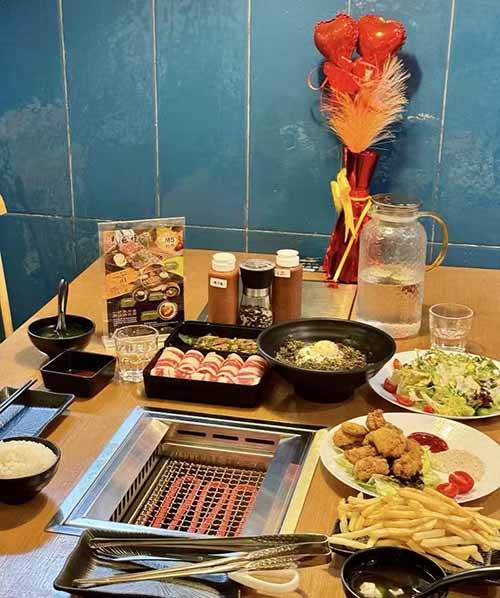
Customers cook meat by themselves
Perfect for groups and social dining
Higher spending per table
Strong repeat customers
Because of this, many restaurant owners see it as a profitable concept.
The Real Challenges (Be Honest)
Before opening, you should also understand the challenges:
Smoke and ventilation problems
High equipment investment
Staff training needed
Kitchen + dining area coordination
This is where many new owners fail — not because of food, but because of equipment planning.
The Most Important Setup — Korean BBQ Table & Grill
If you want your restaurant to run smoothly, your setup matters more than anything.
Korean BBQ Table
A good Korean BBQ table should:
Be heat-resistant and durable
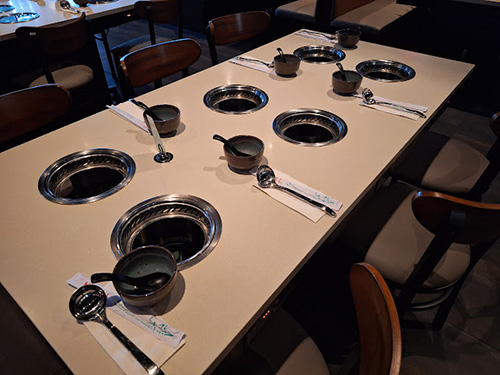
Have built-in grill space
Be easy to clean
Match your restaurant style
A well-designed table improves both efficiency and customer experience.
Korean BBQ Grill
The Korean BBQ grill is the core of your business.
There are different types:
Charcoal grill (traditional, better flavor)
Gas grill (easy control)
Electric grill (clean and simple)
Choosing the right grill depends on your concept and local regulations.
Don’t Ignore Ventilation
Many people focus on food, but forget smoke control.
Without proper ventilation:
Customers feel uncomfortable
Your restaurant smells heavy
You may fail inspections
Solutions include:
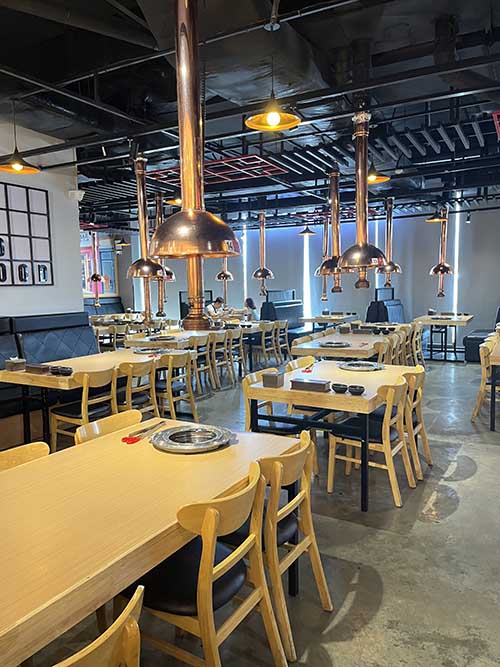
Overhead exhaust pipes
Built-in smoke purifiers (hidden under table)
A clean, smokeless environment makes your restaurant look more high-end.
Is It Worth Opening?
Here’s the honest answer:
✔ YES, if:
You choose the right equipment
You plan your layout well
You focus on customer experience
❌ NO, if:
You underestimate setup costs
You ignore ventilation
You choose cheap, low-quality grills
We are a one-stop supplier for Korean BBQ restaurant equipment, providing:
Opening a BBQ Restaurant: Flexible Pricing & Why Equipment Matters More Than You Think
Opening a BBQ restaurant is not about following fixed numbers. Every market is different. Rent, labor, meat prices, and customer habits can all change.
So instead of saying “you must price like this” or “food cost must be exactly 32%,” it’s better to think like this:
Use these numbers as reference, not rules Adjust based on your location and business model
What really makes a difference? Your equipment and restaurant setup.
1. Pricing BBQ Meats: Use a Flexible Formula
You already know your raw meat prices. That’s a good start. But BBQ always has cooking loss, and every pitmaster gets a slightly different yield.
Instead of fixed pricing, use this simple idea:
Selling Price ≈ Cooked Cost × 2.5 to 3.5
Why a range?
Busy city → higher pricing possible
Competitive area → tighter margins
Premium concept → higher multiplier
Takeout-focused → lower pricing
For example:
Brisket: usually the premium item → higher multiplier
Pork: more affordable → helps balance your menu
Turkey: good for health-conscious customers
The goal is balance, not perfection.
2. Your Biggest Advantage Is NOT Just Food — It’s Experience
Today, customers don’t just buy BBQ. They buy:
Experience
Atmosphere
Interaction
This is where equipment becomes your competitive edge.
3. Why Korean BBQ Grill Can Transform Your Business
Adding a
Korean BBQ grill
can completely change how your restaurant works.
Turn Dining Into an Experience
Customers cook, talk, and stay longer.
Longer stay = more orders = higher revenue per table
Reduce Kitchen Pressure
Instead of cooking everything in the kitchen:
Some items are finished at the table
Less stress during peak hours
Faster service line
Flexible Menu Options
You can offer:
Pre-smoked meats (your BBQ strength)
Fresh meats for grilling
Combo platters
This creates more choices without a bigger kitchen.
4. Korean BBQ Table: Design That Sells
Pair the grill with a
Korean BBQ table
This is not just a table—it’s a revenue tool.
Clean & Organized Layout
Built-in grill
Hidden or top ventilation
Easy cleaning
Better Customer Flow
Great for groups
Encourages sharing
Increases average ticket size
Strong Visual Impact
Customers see the setup and feel:
“This place is different.”
5. Smoke Control = Customer Comfort
One big problem in BBQ restaurants is smoke.
Solutions include:
Overhead exhaust pipes
Built-in smoke purifiers (hidden under table)
Benefits:
Cleaner air
Better dining experience
More premium feeling
Easier to meet regulations
6. Combine Traditional BBQ + Korean BBQ Concept
You don’t need to choose one style.
A smart model:
Counter service BBQ (by the pound)
Korean BBQ grill tables for dine-in
This gives you:
Fast turnover customers
High-value dine-in customers
Two income streams in one restaurant.
7. Build a System, Not Just a Menu
Many new BBQ restaurants fail not because of food—but because of poor systems.
Focus on:
Equipment layout
Workflow
Smoke control
Table design
Good equipment =
Faster service
Lower labor stress
Better customer experience
There is no “perfect” food cost or pricing formula.
But there is a smart way to build your restaurant:
Stay flexible with pricing
Focus on customer experience
Invest in the right equipment
Especially:
Korean BBQ grill
Korean BBQ table
These are not just tools. They are profit drivers.
We are a one-stop supplier for restaurant BBQ solutions, specializing in high-quality BBQ GRILL and BBQ TABLE systems. With years of experience serving global restaurant owners, we focus on creating durable, efficient, and stylish equipment that improves cooking performance and dining experience. From countertop grilling systems to complete dining table setups, our products are designed to help restaurants operate smoothly, serve faster, and attract more customers with a better BBQ experience.
How to Open a Charcoal BBQ Restaurant: A Simple Guide for Beginners
Charcoal BBQ restaurants are becoming more popular around the world, especially styles like Korean BBQ. The smoky flavor, interactive cooking, and social dining experience make it very attractive to customers.
But many new restaurant owners feel confused at the beginning. Where should you start? What equipment do you need? How can you control costs?
In this simple guide, we will walk you through the key steps to open a successful charcoal BBQ restaurant.
Choose Your Restaurant Concept
Before anything else, you need a clear idea of your restaurant concept.
Ask yourself:
Do you want a Korean-style BBQ restaurant?
Will it be all-you-can-eat or à la carte?
Are you targeting families, groups, or high-end customers?
Different concepts will affect your menu, pricing, and most importantly, your BBQ equipment setup.
Pick the Right Location
Location is very important for any restaurant, but it is even more important for a charcoal BBQ restaurant.
Here are some key points:
Good smokeless equipment is a must
Check if charcoal or open flame is allowed in your area
Choose a place with strong foot traffic
Because charcoal BBQ produces smoke, your location must support a proper ventilation system.
Choose the Right BBQ Equipment ⭐
This is one of the most important parts of your business.
A good setup usually includes:
Charcoal BBQ grills (built into the table)
Ventilation system (such as BBQ pipes or downdraft systems)
Dining tables and chairs
Safe charcoal design
High-quality equipment can help you:
Reduce smoke
Improve safety
Create a better dining experience
Cheap equipment may save money at the beginning, but it often leads to problems later.
We recommend choosing durable stainless steel grills with stable heating performance.
As a one-stop supplier, we help restaurant owners choose the right charcoal BBQ grill and full equipment setup based on their needs. You can also explore more about our solutions here: Hot Pot & BBQ Equipment for Restaurants
Design a Comfortable Dining Experience
Customers don’t just come for food—they come for the experience.
You should consider:
Enough space between tables
Clean and organized ventilation design
Lighting and atmosphere
For example, some restaurants use hidden downdraft systems to keep the space clean and modern, while others prefer traditional overhead BBQ pipes
Build Your Menu
A good menu is simple but attractive.
Typical items include:
Beef, chicken, pork, and seafood
Side dishes
Dipping sauces and seasonings
A good sauce or seasoning can make a big difference in taste and customer satisfaction.
If you want to stand out, consider offering unique BBQ marinades or dipping sauces.
Control Costs and Pricing
Cost control is very important for long-term success.
Here are some tips:
Invest in good equipment (long-term savings)
Control food portions
Offer combo meals or set menus
Charcoal BBQ restaurants usually have higher customer spending, especially for group dining.
Promote Your Restaurant
Marketing is easier for BBQ restaurants because the dining experience is very visual.
You can:
Share grilling videos on social media
Show the smoky BBQ atmosphere
Offer opening discounts
Platforms like Instagram and TikTok work very well for BBQ restaurants.
Opening a charcoal BBQ restaurant is not as difficult as it seems. The key is to plan carefully and choose the right equipment.
With the right setup, you can create a great dining experience, attract more customers, and increase your revenue.
We are a one-stop supplier for charcoal BBQ grills, hot pot equipment, and restaurant solutions. We can help you choose the best setup for your restaurant and avoid common mistakes.
The Korean BBQ industry continues to grow fast around the world. More customers love the experience of grilling meat at the table. For restaurant owners, choosing the right Restaurant Korean BBQ grill is no longer just about cooking—it is about efficiency, customer experience, and long-term profit.
In 2026, several important trends are shaping how Korean BBQ restaurants operate. Let’s take a look.
Low Smoke Design Becomes Standard
One of the biggest problems in Korean BBQ restaurants is smoke. Too much smoke makes customers uncomfortable and affects the dining experience.
In 2026, more restaurants are choosing low-smoke Restaurant Korean BBQ grills with:
Improved grill net design
Better oil drainage systems
Efficient smoke extraction
A cleaner environment means happier customers—and better reviews.
Faster Heating and Stable Temperature
Speed is money in the restaurant business.
Modern Restaurant Korean BBQ grills now use high-quality heating plates and advanced components to:
Heat up faster
Keep temperature stable
Cook food more evenly
This helps increase table turnover and improve service efficiency.
Durable Materials for Long-Term Use
Restaurant equipment must be strong and reliable.
More restaurant owners are choosing grills made with:
High-quality stainless steel
Durable heating plates
Premium electrical components
A good Restaurant Korean BBQ grill may cost more at the beginning, but it saves money in the long run by reducing maintenance and replacement costs.
Built-In (Hidden) Grill Designs Are Growing
Modern restaurants care more about design and space.
Built-in Restaurant Korean BBQ grills (installed under the table) are becoming popular because they:
Look clean and high-end
Save space
Improve safety
This trend is especially common in new or upgraded restaurants.
Better Smoke Control Systems
In many countries, regulations on air quality are becoming stricter.
Restaurants now need complete solutions, not just a grill. A full setup often includes:
BBQ grill
Smoke extraction system
Ventilation design
A well-designed Restaurant Korean BBQ grill system helps restaurants meet regulations and create a comfortable dining space.
Easy Cleaning and Maintenance
Labor cost is rising, especially in the restaurant industry.
That’s why easy-to-clean Restaurant Korean BBQ grills are in high demand. Features like:
Removable grill nets
Oil collection systems
Simple structure
can save a lot of time and reduce staff workload.
The Korean BBQ market in 2026 is not just about food—it is about experience, efficiency, and smart investment.
Choosing the right Restaurant Korean BBQ grill can help you:
Improve customer satisfaction
Reduce operating costs
Increase long-term profit
If you are planning to open or upgrade your restaurant, now is the best time to follow these trends and choose equipment that will support your business growth.
Looking for high-quality Restaurant Korean BBQ grills? Contact us to explore reliable, durable, and low-smoke solutions designed for restaurants.
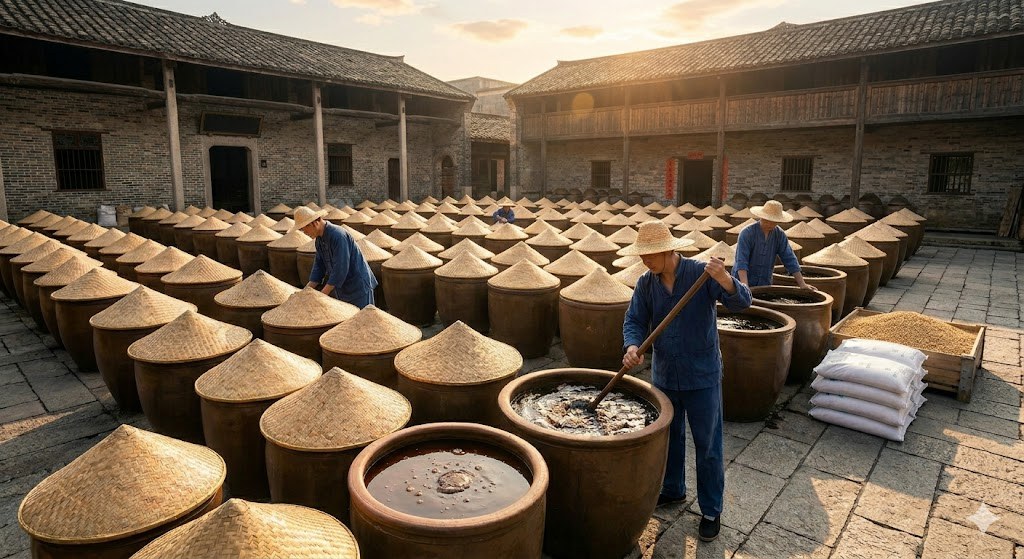
In 2026, the global pantry has evolved, yet the demand for authentic umami remains constant. Whether you are a professional chef or a home cooking enthusiast, finding the right Regular Soy Sauce online has never been easier, thanks to streamlined global logistics and a higher consumer focus on "Clean Label" products. Today’s top-tier brands have moved beyond simple seasoning, focusing on non-GMO ingredients and multi-month natural fermentation processes that ensure every drop carries a complex, savory profile. From the robust, all-purpose varieties found in professional kitchens to the delicate, artisanal blends, the digital marketplace offers an unprecedented selection of high-quality condiments that can be delivered straight to your door.
When navigating the sea of options, experts point toward brands that prioritize traditional brewing methods over chemical hydrolysis. In 2026, the distinction between a mass-produced "saltwater" sauce and a naturally brewed Regular Soy Sauce is the hallmark of a discerning palate. Leading brands have integrated blockchain tracking to prove the origin of their soybeans, ensuring that the bottle you buy online meets the highest safety and quality standards.
Among the standout choices for this year, Pearl River Bridge Regular Soy Sauce remains a definitive favorite for those seeking the "soul" of Cantonese cuisine. Renowned for its perfect balance of saltiness and deep bean aroma, this sauce acts as a versatile workhorse in the kitchen. Unlike thinner light soy sauces or syrupy dark varieties, the Pearl River Bridge Regular Soy Sauce provides a middle-ground consistency that excels in stir-fries, marinades, and dipping sauces alike. It is the secret ingredient behind that signature "wok hei" (breath of the wok) flavor, providing a rich reddish-brown hue and a lingering umami finish that synthetic alternatives simply cannot replicate.
The enduring success of Pearl River Bridge Regular Soy Sauce is rooted in the company’s unparalleled legacy. Established in 1958, Pearl River Bridge (PRB) was the first brand to export Chinese soy sauce to the global market, and it now reaches over 120 countries. As a pioneer in the industry, the company combines over 60 years of traditional sun-bathed fermentation techniques with state-of-the-art microbiological testing. Choosing Pearl River Bridge means supporting a brand that holds prestigious FDA, BRC, and HACCP certifications, ensuring that every bottle is as safe as it is delicious. With their commitment to non-GMO raw materials and a "farm-to-fork" quality control system, PRB doesn't just sell a condiment; they provide a bridge to authentic culinary heritage and world-class food safety.
The Culinary Evolution: Understanding Solidified Soy Sauce vs. Liquid Soy Sauce
For centuries, the rhythmic drip of liquid soy sauce has been the heartbeat of Asian kitchens. From the dark, viscous brews of Southern China to the lighter, saltier varieties of Japan, this fermented liquid gold is a staple of global gastronomy. However, as food technology advances and the demands of global logistics and industrial food production grow, a new player has emerged: Solidified Soy Sauce.
While it might sound like a modernist kitchen experiment, this innovation is a practical solution to age-old culinary challenges. If you are a food manufacturer or a culinary enthusiast looking to streamline your pantry, understanding the offerings from a professional Solidified Soy Sauce Factory can change the way you view seasoning entirely.
What is Solidified Soy Sauce?
At its core, solidified soy sauce is the essence of traditional soy sauce stripped of its water content. It isn't just "dried" sauce; it is a carefully processed concentrate—often appearing as a dense paste, a bouillon-like block, or a granular powder—that retains the complex Umami profile of the fermented bean.
The production process typically starts with high-quality liquid soy sauce, which undergoes vacuum concentration or spray-drying. This removes the moisture while preserving the amino acids, organic acids, and sugars that give soy sauce its signature "fifth taste."
Key Differences: Solidified vs. Liquid
To the casual home cook, the difference might seem purely physical. But for industrial applications and precision cooking, the distinctions are profound.
Feature
Liquid Soy Sauce
Solidified Soy Sauce
Moisture Content
High (usually 60-70%)
Minimal to None
Umami Intensity
Balanced for immediate use
Highly concentrated
Storage & Logistics
Heavy, prone to leaks
Lightweight, space-saving
Shelf Life
Good, but can oxidize
Excellent, highly stable
Application
Dipping, finishing, marinades
Industrial seasoning, rubs, dry mixes
1. Concentration and Flavor Density
The most immediate difference is the "punch." Because liquid soy sauce is mostly water, you often need significant volumes to achieve a deep flavor. Concentrated Soy Sauce provides a much higher ratio of flavor per gram. This is particularly useful in industrial food manufacturing where adding excess moisture could ruin the texture of a product, such as in the creation of snack coatings or dry spice rubs for processed meats.
2. Chemical Stability and Shelf Life
Liquid soy sauce is a living product. Once a bottle is opened, exposure to oxygen can slowly degrade the aroma and darken the color. Solidified versions are far more resistant to oxidation. Because the water activity ($a_w$) is significantly lower, the risk of microbial spoilage is virtually eliminated, making it a dream for long-term storage and international shipping.
3. Culinary Versatility
Liquid soy sauce is the king of the stir-fry and the dipping bowl. Its fluidity allows it to coat noodles and penetrate meats quickly. However, it struggles in "dry" applications. Have you ever tried to make a soy-flavored popcorn or a crispy fried chicken coating using liquid sauce? The result is usually soggy. Solidified soy sauce solves this by providing the flavor of fermentation without the liquid mess.
The Industrial Advantage
For the large-scale food industry, the shift toward solid or concentrated formats isn't just about taste—it’s about the bottom line. Shipping liquid means paying to transport water. By utilizing solidified formats, companies can reduce their carbon footprint by shipping lighter loads and using less packaging.
Furthermore, in high-speed manufacturing lines, precision is easier to manage with solids. Measuring a powder or a standardized block reduces the "splash factor" and ensures that every batch of beef jerky or instant noodle seasoning tastes exactly the same.
How to Use Solidified Soy Sauce
If you are transitioning from liquid to solid, the key is rehydration and ratio.
For Sauces: You can dissolve the solid concentrate in warm water to recreate a liquid sauce. The beauty here is that you can control the intensity—creating a "Double-Dark" version by using less water.
As a Dry Rub: Pulverize the solidified sauce and mix it with garlic powder, ginger, and sugar. It creates a crust on grilled meats that liquid sauce simply cannot achieve.
In Baking: Some experimental pastry chefs use subtle amounts of soy powder in chocolate desserts to enhance the earthy notes of the cocoa without altering the batter's hydration levels.
The Future of Seasoning
As we move toward a more sustainable and efficient food system, the demand for dehydrated and concentrated ingredients will only rise. Whether it is for space-saving in urban kitchens, reducing shipping costs in global trade, or creating new textures in the snack food industry, the move toward "solid" is a logical step in the evolution of ancient condiments.
While the classic bottle of liquid soy sauce will always have a place on the dinner table for dipping sushi or garnishing a bowl of rice, Solidified Soy Sauce represents the functional future of the ingredient. It captures the soul of traditional fermentation and packages it for the modern, fast-paced world.
Whether you are a professional chef looking for a "secret ingredient" or a manufacturer looking to optimize your production line, it is time to look beyond the bottle and explore the potential of the block.
How We Built Custom Hot Pot Equipment for a Luxury US Restaurant
Are you planning to open a hot pot restaurant in the USA? It’s an exciting move, but as many owners discover, finding the right hot pot equipmentis one of the biggest challenges.
Recently, we helped a high-end restaurant in the United States create a dining space that looks like a piece of art. Here is the story of how we customized their hot pot tablesand systems to meet premium standards.
The Problem: "Standard" Equipment Wasn't Enough
Our client didn't want a typical "canteen-style" look. They were building a luxury brand in a major US city and faced three main problems:
The Look: They needed hot pot induction cookers that looked sleek, not cheap.
The Rules: In the US, kitchen gear must meet strict safety rules (like ETL or UL certification).
The Smell: They didn't want their guests' expensive clothes to smell like food after dinner.
Our Custom Hot Pot Equipment Solution
We provided a full set of customized hot pot equipment based on their needs.
We upgraded the core hot pot equipment—the induction cookers.
Fast heating
Stable temperature
Energy saving
This helps the restaurant improve efficiency and keep food quality consistent.
3. Built for US Electricity
We customized all the internal wiring to work perfectly with US power outlets (110V/220V). No adapters, no flickering lights—just reliable power every night.
Results
After using our customized hot pot equipment, the customer saw clear improvements:
Better Customer Experience
Clean tables, stable heat, and fresh air made dining more enjoyable.
Higher Efficiency
Staff could work faster with reliable hot pot equipment.
Stronger Brand Image
The restaurant looked modern and high-end.
The customer was very satisfied and plans to order more hot pot equipment for new locations.
Why Good Hot Pot Equipment Matters
Choosing the right hot pot equipment can help you:
Improve service speed
Keep food taste consistent
Enhance restaurant design
Attract more customers
Bad hot pot equipment can lead to complaints and higher costs.
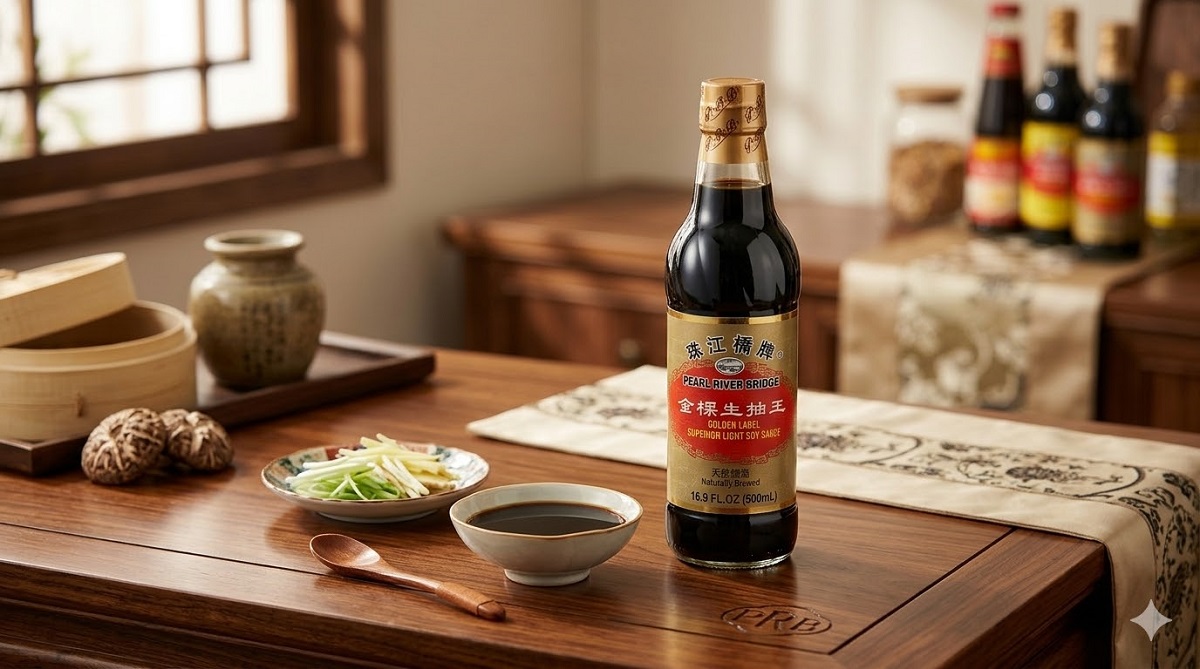
Pearl River Bridge Premium Superior Light Soy Sauce stands out as the top choice in 2026. This Superior Light Soy Sauce offers a rich umami flavor and a delicate aroma. Traditional brewing and non-GMO ingredients set it apart. Choosing a healthy option ensures better taste and supports overall wellness.
What Is Superior Light Soy Sauce
Key Features
Superior Light Soy Sauce represents a high-quality variety of soy sauce. Producers use non-GMO soybeans, wheat, salt, and water. They rely on traditional fermentation methods that last over 100 days. This process creates a sauce with a clear reddish-brown color and a smooth, delicate aroma. The flavor profile includes a balanced umami taste with a hint of sweetness. Many chefs and home cooks prefer this sauce because it enhances dishes without overpowering other ingredients.
Manufacturers focus on food safety and quality. They often obtain certifications such as HACCP, BSCI, and FDA. These standards ensure that consumers receive a safe and consistent product. Superior Light Soy Sauce also appeals to health-conscious individuals. The use of non-GMO ingredients and natural brewing methods supports a cleaner label and better nutrition.
Light vs. Regular Soy Sauce
Light soy sauce differs from regular and dark soy sauce in several ways. Light soy sauce has a thinner consistency and a lighter color. It delivers a more pronounced salty and umami flavor. Regular soy sauce, while similar, may have a slightly deeper color and a less refined taste. Dark soy sauce contains added molasses or caramel, which gives it a thicker texture and sweeter flavor.
Superior Light Soy Sauce stands out for its clarity, aroma, and balanced taste. It works well in dipping sauces, marinades, and stir-fries. Many Asian dishes rely on this sauce to bring out the natural flavors of fresh ingredients.
Why Choose Superior Light Soy Sauce
Flavor Benefits
Superior Light Soy Sauce delivers a unique balance of umami and subtle sweetness. Chefs and home cooks value this sauce because it enhances the natural flavors of ingredients without masking them. The clear reddish-brown color and delicate aroma add visual and sensory appeal to many dishes. When used in stir-fries, marinades, or dipping sauces, this soy sauce brings out the best in vegetables, meats, and seafood. Many Asian recipes rely on its ability to provide depth and complexity while keeping the overall taste light and fresh.
Health Considerations
Consumers often look for healthier options in their cooking. Superior Light Soy Sauce offers lower sodium choices compared to some traditional soy sauces. Brands that use non-GMO soybeans and natural fermentation methods support better nutrition and food safety. Certifications such as HACCP, BSCI, and FDA show a commitment to quality and safety. These standards help ensure that the product meets international guidelines for health and cleanliness. People who choose this type of soy sauce can enjoy rich flavor while making mindful decisions about their diet.
Tip: Always check the label for certifications and ingredient lists to ensure you select a high-quality soy sauce for your kitchen.
How To Select The Best Superior Light Soy Sauce
Flavor And Aroma
Shoppers should start by evaluating the flavor and aroma of each soy sauce. A high-quality Superior Light Soy Sauce offers a balanced umami taste with a hint of sweetness. The aroma should be clean and inviting, without any harsh or artificial notes. Many chefs recommend tasting a small amount before purchasing. This step helps identify sauces that enhance dishes without overpowering them. A clear reddish-brown color often signals careful fermentation and quality ingredients.
Ingredients And Brewing
Ingredients and brewing methods play a key role in the final product. The best options use non-GMO soybeans, wheat, salt, and water. Traditional fermentation, which can last over 100 days, produces a richer and more complex flavor. Shoppers should look for brands that highlight their brewing process and ingredient sourcing. Labels that mention natural fermentation and non-GMO ingredients often indicate a commitment to quality and safety. Pearl River Bridge Premium Superior Light Soy Sauce, for example, uses time-honored methods and strict quality controls.
Sodium And Health
Health-conscious buyers should check the sodium content on the label. Some Superior Light Soy Sauce products offer lower sodium options, which help reduce daily salt intake. Certifications such as HACCP, BSCI, and FDA show that the brand meets international food safety standards. Choosing a healthy superior light soy sauce supports better nutrition and peace of mind. Shoppers should also avoid products with artificial additives or preservatives.
Best Uses
Versatility matters when selecting a soy sauce. Superior Light Soy Sauce works well for dipping, marinating, stir-frying, and seasoning. Chinese soy sauces, like Pearl River Bridge Premium Superior Light Soy Sauce, tend to have a lighter color and a more pronounced umami flavor. Japanese soy sauces often taste slightly sweeter and milder. Chefs recommend matching the soy sauce style to the cuisine for the best results. A versatile sauce adapts to both traditional Asian recipes and modern fusion dishes.
Tip: Always read the label and try different brands to find the soy sauce that best matches your cooking style and health needs.
Pearl River Bridge Premium Superior Light Soy Sauce
Pearl River Bridge Premium Superior Light Soy Sauce leads the market in 2026. The company has produced soy sauce since 1958. They use non-GMO soybeans and traditional fermentation methods. Their process lasts over 100 days. This method creates a clear reddish-brown sauce with a rich aroma and balanced umami flavor. Pearl River Bridge holds certifications such as HACCP, BSCI, and FDA. These certifications show a strong commitment to food safety and quality. Many chefs and home cooks trust this brand for its consistency and heritage.
Using Superior Light Soy Sauce In Cooking
Cooking Tips
Cooks can use Superior Light Soy Sauce to enhance many dishes. This sauce works well for dipping, marinating, stir-frying, and seasoning. For dipping, they can mix it with fresh chili, garlic, or a splash of vinegar. This creates a flavorful sauce for dumplings or spring rolls. When marinating, they should combine the soy sauce with ginger, garlic, and a touch of sugar. This mixture adds depth to meats, tofu, or vegetables. During stir-frying, adding the sauce near the end of cooking helps preserve its aroma and color. For seasoning, a small amount can replace salt in soups or stews, giving a richer taste.
Tip: Always taste the dish before adding more soy sauce. This prevents over-seasoning and keeps the flavors balanced.
Popular Dishes
Many classic dishes benefit from Superior Light Soy Sauce. Chefs often use it in Chinese stir-fried greens, fried rice, and noodle dishes. It also appears in Japanese teriyaki and Korean bulgogi. Home cooks can drizzle it over steamed fish or use it as a base for salad dressings. The sauce’s clear color and balanced flavor make it suitable for both traditional Asian recipes and creative fusion dishes. Its versatility allows cooks to experiment and find new ways to enjoy their favorite meals.
FAQ
What makes Superior Light Soy Sauce different from regular soy sauce?
Superior Light Soy Sauce uses non-GMO ingredients and traditional fermentation. It offers a clear color, balanced umami, and a delicate aroma.
Is Pearl River Bridge Premium Superior Light Soy Sauce suitable for healthy diets?
Yes. Pearl River Bridge Premium Superior Light Soy Sauce uses non-GMO soybeans and natural brewing. It fits well in a Healthy Superior Light Soy Sauce diet.
How should you store Superior Light Soy Sauce after opening?
Store Superior Light Soy Sauce in a cool, dry place. Refrigeration helps maintain freshness and flavor for a longer period.